So you’ve fallen in love with the sound of the cello and you’d like to learn how to play this beautiful instrument? You’ve come to the right place! Here are some tips to help get you started.
Buying a Cello
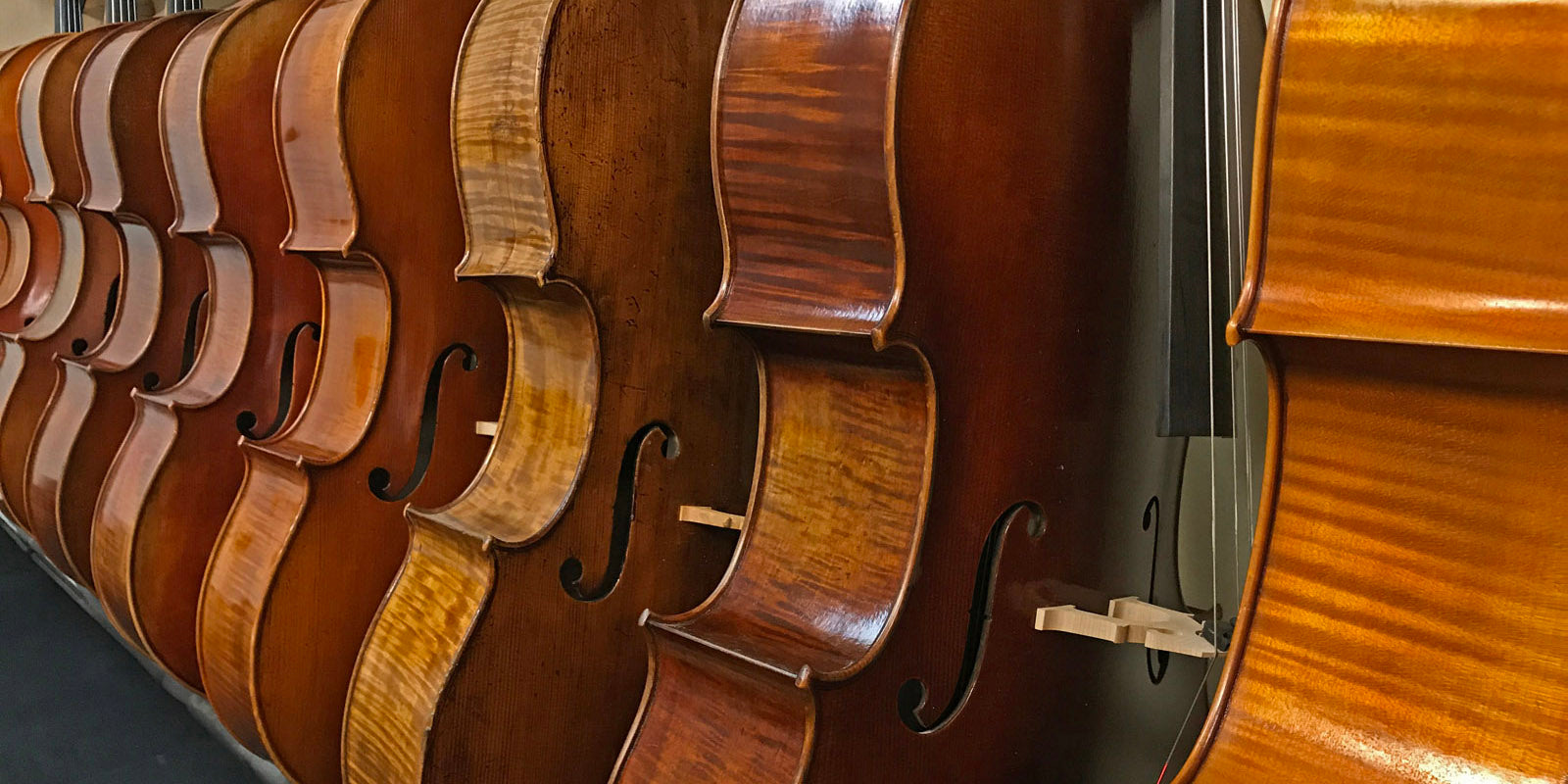
You’ll need to get a cello before you begin lessons.  There are many options out there and it can be a little overwhelming, but I have a strong favourite – and that is to take your custom to a local luthier (violin maker) or violin shop.
There are several violin shops in Copenhagen, many of whom also rent out cellos. This can be a good option if you want to get started, but are not ready to invest a lot of money just yet. They often have package deals for beginners so it is a good idea to ring around and ask what is on offer.
Prices for buying a starter instrument can range from 4.000-12.000 DKK and you can usually try beforehand. You can also take the cello to your teacher early on for a second opinion just to be sure.
Luthiers and Violin Shops in the Copenhagen Area:
🎻 (Kongens Lyngby) Birger Kulmbach – http://www.violinbygger.com
🎻 (Centrum) Ulf Eriksson – http://www.ulferiksson.com
🎻 (Frederiksberg) Ola Hvamstad – http://www.violinbyggerhvamstad.dk
🎻 (Hvidovre) Mattias Beimdiek – http://www.matthiasbeimdiek.com
🎻 (Nørrebro) Susanne Kiessling – http://www.kiessling.dk
🎻 (Østerbro) Wolfgang Schmidt – http://www.strygersiden.dk
🎻 (Vanløse) Erik Hoffmann – http://www.violin.dk
.
Why I recommend going to a violin maker:
- You are guaranteed to get a good instrument with a functional set up from the very start.
- You will be dealing with a specialist in string instruments.
- You have somewhere to go for future repairs or concerns.
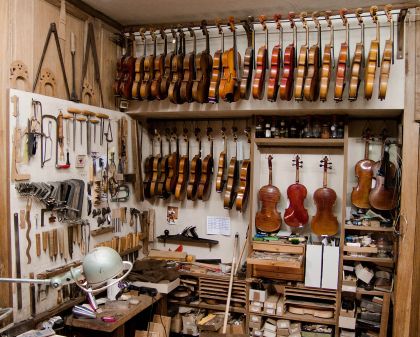
- You support a local craftsman (and get to see their lovely workshop!).
.
Cheap Factory Instruments and Buying Online
While it is certainly possible to buy a suitable beginner instrument from an online webshop, it is also possible to waste your money on a poor quality instrument that is unplayable.
I have seen repeated issues with cheap factory instruments such as poor quality strings, fine tuners that break immediately, cello case zips getting jammed and customer service which is less than optimal!
Often the money you save ends up having to be spent elsewhere. If you do decide to buy a cheaper instrument from an online store, as a general rule, be potentially prepared to pay extra for a new set of quality strings (I recommend Jargar – which cost approx. 1.000 DKK) and make sure you don’t buy an instrument for less than 4.000 DKK.
Second Hand Instruments
Buying second hand instruments on websites such as DBA is another option, but it can be tricky to know exactly what you are buying. Instruments that are older could also need repairs, a new set of strings or a bow re-hair, so again be prepared for some extra costs! If possible, ask your teacher’s opinion before buying.
Children’s Sizes
The cello is a large instrument, but luckily there are smaller sizes for children. As children grow, it important to change up to the next cello size when needed.
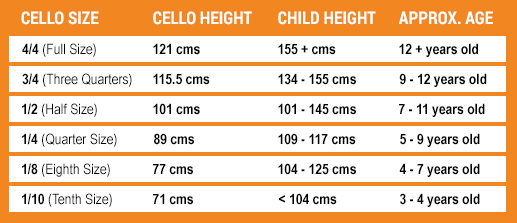 Sometimes parents try to save money by buying a larger cello for their child to grow into.
I totally understand! But I would recommend against it. Younger children struggle with instruments which are too big as it can be physically uncomfortable to play and difficult for them to make a nice sound, leading to frustration or dissatisfaction. In my experience, children who have the correct size instrument from the beginning tend to make better progress and are more likely to enjoy playing.
Accessories
Learning the cello takes a considerable investment, both money and time wise, but it can be a rewarding endeavour I promise.. !
Now you’ve got yourself a cello, you’ll want to make a dedicated space at home for your practice time. Your teacher can advise you on how to sit with your cello and what sort of chair you should sit on. You’ll also need a music stand, a cello stop/floor protector and some rosin if they didn’t already come included with your cello.
Good Luck and Happy Celloing! 🎻
 Hannah-Rae Hampson